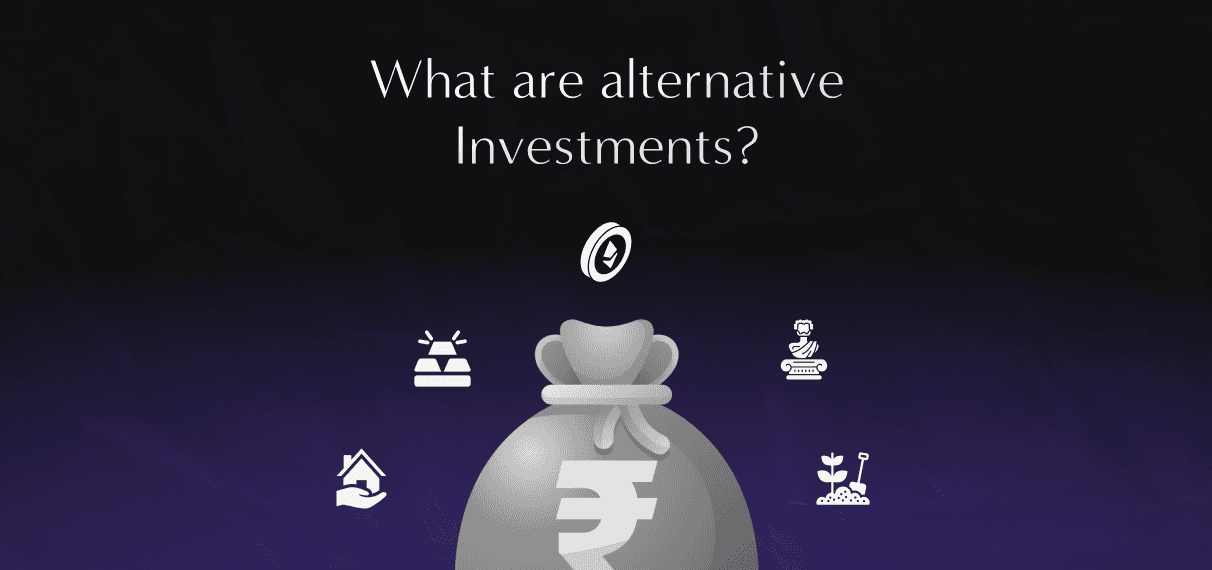
Understanding Alternative Investments:
Alternative investments are predominantly held by institutional investors or high-net-worth individuals due to their complexity, limited regulatory oversight, and elevated risk profiles. These investments often necessitate substantial minimum investments and command higher fee structures when compared to traditional investments such as mutual funds & exchange-traded funds. Furthermore, they typically lack accessible performance data and are not as widely marketed to potential investors. Despite the significant initial costs and fees, transaction costs for alternative investments are generally lower owing to reduced trading frequency.
These assets tend to be relatively illiquid in contrast to conventional investments. For instance, selling a piece of fine art, such as a painting is considerably more challenging than liquidating a portfolio of government bonds.
Moreover, valuing alternative investments can be complex, as transactions involving such assets are often infrequent. For example, accurately appraising a vintage car from the 1960s can be difficult because its value depends on factors like rarity, condition, and market demand, which can vary significantly.
Types of Alternative Investments:
Real Estate
Real estate investment involves acquiring physical properties or property-based securities. This category includes investments such as real estate crowdfunding platforms, REITs, and real estate mutual funds. Along with the potential for capital appreciation of physical assets, investors frequently aim for operating income to ensure a consistent and reliable cash flow.
Commodities
Commodities include materials like gold, silver etc. Investors can invest in tangible goods with real-world applications and sustained demand due to their inherent characteristics. For instance, gold's price tends to be relatively stable as it is used in various industries and is considered a store of value.
Farmland
Farmland represents a blend of real estate and commodities. Investors benefit from the tangible land itself and may also receive ongoing cash proceeds from agricultural operations and commodity sales if they are profitable.
Art and Collectibles
Investments in art, sports and entertainment collectibles etc can serve as both a financial investment and a hobby. These items may appreciate in value over time, particularly as their associated figures, such as artists, movie stars, or athletes, gain historical significance.
Cryptocurrencies
Cryptocurrencies are a new form of digital currency and are considered alternative investments as they fall outside the traditional asset-class of stocks and bonds. While some argue that cryptocurrencies do not offer a strong hedge against other risk-on investments, they may provide capital appreciation or passive income through mechanisms like staking rewards.
Venture Capital/Private Equity
Venture capital and private equity blur the lines of traditional investments, offering a refined branch of stock investments. Instead of trading shares of public companies on open markets, investors put capital into private companies or start-ups, seeking substantial returns on their investments.
Peer-to-Peer Lending
Peer-to-peer lending involves making loans to individuals or businesses via online platforms that connect borrowers with investors. This form of investment is similar to bond investing but occurs in more private markets and often involves higher-risk clients. While there is potential for higher returns, this is not guaranteed.
Advantages and Disadvantages of Alternative Investments:
Pros:
Potential diversification benefits
Higher return potential compared to traditional investments
Potential protection against inflation
Access to specialized investment options
Can provide unique investment opportunities
Cons:Typically higher fees and transaction costs
Elevated risk compared to traditional investments
Lack of transparency and reduced regulation
Complexity may not be suitable for novice investors
Potential liquidity issues
How to Invest in Alternative Investments?
An investment journey in alternative assets varies significantly based on the chosen asset class. While some require extensive capital and research, others can be started with a few simple steps. Here's a general overview of how to begin investing in various types of alternative investments:
Private Equity: Private equity investments typically entail acquiring shares in private companies or groups of companies. Investors can buy and sell private equities via Precize.
Real Estate: Investment in real estate offers multiple options, such as buying rental properties, investing in Real Estate Investment Trusts (REITs), or taking part in real estate crowdfunding platforms.
Hedge Funds: Hedge funds are typically available only to accredited investors who possess significant net worth and substantial investment capital. Investors can gain access to hedge funds through hedge fund managers or brokerage firms.
Commodities: Commodity investments involve acquiring physical assets like gold, silver, etc. Investors can participate in commodity investments through commodity trading platforms or via exchange-traded funds (ETFs).
Art and Collectibles: Investing in art and collectibles can be done through art dealers, auction houses, or online marketplaces. Due to the unique nature of these assets, it's essential to consider the reputation of the dealer when exploring trading avenues.
Cryptocurrencies: Investing in cryptocurrencies is facilitated through cryptocurrency exchanges, brokerage firms, or online platforms. Investors typically need to deposit fiat currency into a digital wallet to securely manage their digital assets and private keys.
In conclusion, alternative investments offer diversification opportunities, the potential for higher returns, and protection against inflation. However, they come with higher fees, increased risk, and reduced liquidity compared to traditional investments. Despite their complexities, alternative investments can provide unique opportunities for investors seeking to expand their portfolios beyond stocks and bonds.
*Disclaimer: This information is for private use only and does not constitute investment advice. Recipients must assess risks and seek advice from financial, legal, and tax professionals. Private market investments carry risks, and there are no guarantees of returns or capital protection. We are not liable for investment decisions.