In India, financial planning is becoming more common than ever. According to a recent study that surveyed over 4,000 people across 12 cities, nearly 94% of respondents said they either have a detailed financial plan or have done some form of planning.
This shows that most people today understand the importance of having a clear plan for managing their money, but not everyone knows where to begin or how to make it truly effective.
That’s where this blog can help. Here, you’ll understand what a financial plan actually is and why it matters. We’ll walk you through the key benefits of financial planning, explain 8 practical steps to help you create your own plan, and highlight common mistakes you should watch out for.
Whether you're managing a salary, running a household, or saving for goals, this blog offers a simple way to get started with your financial planning.
Let’s start with the basics!
Key Takeaways:
A financial plan is a clear roadmap that outlines your income, expenses, assets, debts, and financial goals.
Key benefits include better control over your money, reduced stress, and improved decision-making.
Effective planning steps include assessing your finances, setting goals, budgeting, building an emergency fund, managing debt, and reviewing regularly.
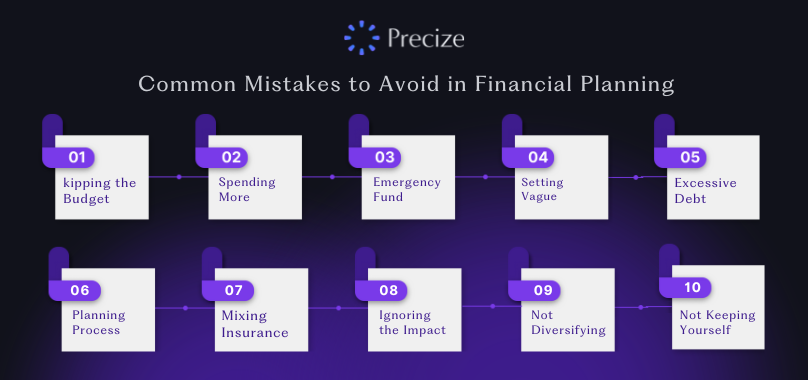
Common mistakes to avoid are skipping budgeting, ignoring emergency funds, overspending, and delaying planning.
What Is a Financial Plan?
A financial plan is a written document that outlines your current financial situation, your future financial goals, and the steps you need to take to achieve those goals. It includes key details like your income, expenses, savings, debts, and assets. A good financial plan clearly shows how your money flows in and out, and helps you map out a strategy for handling your finances over time.
Understanding the definition is just the first step; what truly makes a financial plan useful is the benefits it brings.
Key Benefit of a Financial Plan
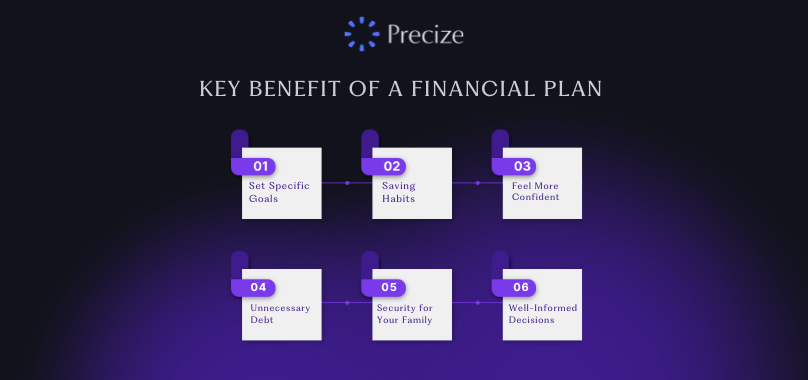
A financial plan gives you a complete view of your money, how much you earn, how you spend it, what you save, and what you owe. The biggest advantage is that it puts you in control of your finances, helping you stay prepared for both everyday expenses and unexpected situations. The following are some of the key benefits of a financial plan:
Set Specific Goals
Whether it’s saving for your child’s education, buying a home, or planning a vacation, a plan helps you define and work towards your personal goals.
Monitor Your Spending and Saving Habits
It shows where your money goes each month, making it easier to cut down on waste and improve your savings.
Feel More Confident and Less Stressed
Knowing you have a plan in place reduces the worry that comes with surprise expenses or financial emergencies.
Stay Away from Unnecessary Debt
With proper planning, you can manage loans and credit smartly, avoiding situations where debt becomes unmanageable.
Create Long-Term Security for Your Family
A solid financial plan ensures that you’re better prepared for the future, making life more stable for your loved ones.
Make Well-Informed Decisions
Having a plan allows you to weigh your options carefully and make choices that are right for your financial situation, whether it’s about spending, saving, or budgeting.
Knowing the ‘why’ is important, now let’s move on to the ‘how’ of building your personal financial roadmap.
Effective 8 Steps to Create a Financial Plan
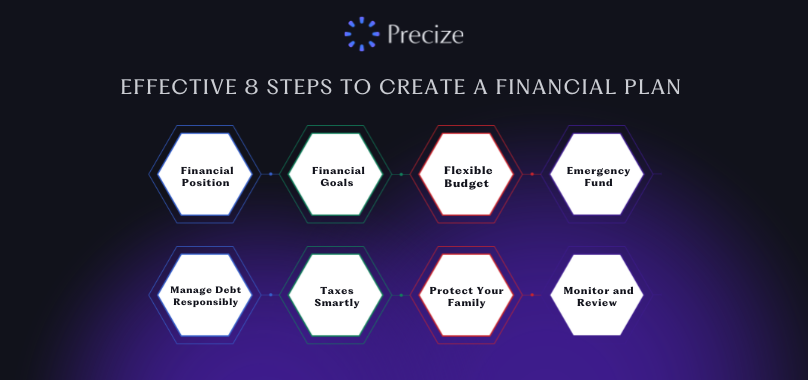
Taking charge of your finances doesn't require expert knowledge; it just needs a structured approach and regular attention. A financial plan acts like a roadmap that guides your money decisions, helps you prepare for uncertainties, and supports your long-term goals. Here’s how you can build your own financial plan in a simple yet effective way, keeping Indian financial realities in mind:
Step 1: Assess Your Current Financial Position
Start by understanding where you stand financially.
List all sources of income, your salary, freelance work, business income, rent, interest from savings, etc.
Write down your regular expenses. These include fixed costs like rent, school fees, EMIs, and variable ones like groceries, electricity, travel, and eating out.
Calculate your total assets, such as savings in the bank, fixed deposits, mutual funds, real estate, gold, or any other valuables.
Identify your liabilities, home loans, personal loans, credit card dues, or any money borrowed.
Step 2: Set Clear and Measurable Financial Goals
Without goals, your plan has no direction. Define what you want your money to achieve.
Break your goals into short-term (0–3 years), mid-term (3–5 years), and long-term (5+ years).
Examples include building a ₹1 lakh emergency fund, saving ₹10 lakhs for a down payment, or planning ₹25 lakhs for your child’s education.
Be specific: set a clear amount and timeline for each goal.
Step 3: Create a Realistic and Flexible Budget
Your budget decides how well you stick to your plan.
Start by tracking every rupee spent over a month. Use apps, notebooks, or spreadsheets, whatever works for you.
Divide your income into three buckets: needs (essentials like rent, groceries, transport), wants (dining, shopping, entertainment), and savings.
Adjust the balance if you’re overspending or saving too little.
Step 4: Build an Emergency Fund
Life is unpredictable, and emergencies come without warning.
Aim to save at least 3 to 6 months’ worth of essential living expenses. This includes rent, bills, groceries, school fees, etc.
Keep this fund in a separate savings account or liquid instrument that’s easy to access in urgent situations.
Step 5: Reduce and Manage Debt Responsibly
Debt isn’t always bad, but unmanaged debt can damage your financial health.
Make a list of all your loans, their EMIs, and interest rates.
Focus on clearing high-interest debt first, especially credit cards and personal loans.
Avoid unnecessary borrowing. If you must take a loan, ensure it fits your repayment capacity and doesn't strain your budget.
Step 6: Plan Your Taxes Smartly
Understanding tax laws helps you keep more of what you earn.
Identify all your taxable income sources, salary, rent, capital gains, etc.
Learn about deductions under sections like 80C, 80D, and HRA exemptions.
Maintain proper documentation of investments and expenses to claim benefits when filing your return.
Step 7: Protect Your Family with the Right Insurance
Unexpected events can create major financial stress if you're not prepared.
Ensure you have adequate health insurance for yourself and your family.
If others depend on your income, consider term life insurance.
Check if your vehicle and property are properly insured against risks.
Step 8: Monitor and Review Your Plan Regularly
Your financial plan should evolve with your life.
Set a reminder to review your plan every 6 to 12 months.
Update your goals and budget if there’s a major life change, like marriage, a job switch, a newborn, or buying a house.
Keep track of your progress and adjust your strategies as needed.
Before you put your plan into action, take a moment to learn about the usual missteps. Avoiding them can save you time, money, and effort.